
Expert Instructors and Cutting-Edge Tools in Fire Service
Firefighting is more than just a job; it is a calling. The brave men and women who serve in this field face challenges that require not only physical strength but also mental agility and technical knowledge. As the landscape of firefighting evolves, so too does the need for expert instructors and cutting-edge tools. This blog post will explore how these elements come together to enhance the fire service, ensuring that firefighters are well-prepared for the challenges they face.
The Role of Expert Instructors
Expert instructors play a crucial role in shaping the next generation of firefighters. They bring a wealth of experience and knowledge to the training environment. These instructors often have years of hands-on experience in the field, which allows them to provide real-world insights that textbooks simply cannot offer.
Real-World Experience
When instructors share their experiences, they help trainees understand the complexities of firefighting. For example, an instructor might recount a challenging rescue operation, detailing the decisions made under pressure. This kind of storytelling not only engages trainees but also prepares them for similar situations they may encounter.
Specialized Training
Instructors often specialize in various areas of firefighting, such as hazardous materials, technical rescue, or wildland firefighting. This specialization allows them to provide targeted training that meets the specific needs of their students. For instance, a firefighter interested in wildland firefighting would benefit from an instructor who has extensive experience in that area.
Mentorship
Beyond teaching, expert instructors often serve as mentors. They guide trainees through their careers, offering advice and support. This mentorship can be invaluable, especially for new firefighters who may feel overwhelmed by the demands of the job. Having a mentor can make a significant difference in a firefighter's confidence and performance.
Cutting-Edge Tools in Fire Service
The tools available to firefighters have advanced significantly in recent years. These cutting-edge tools enhance safety, efficiency, and effectiveness in firefighting operations.
Advanced Personal Protective Equipment (PPE)
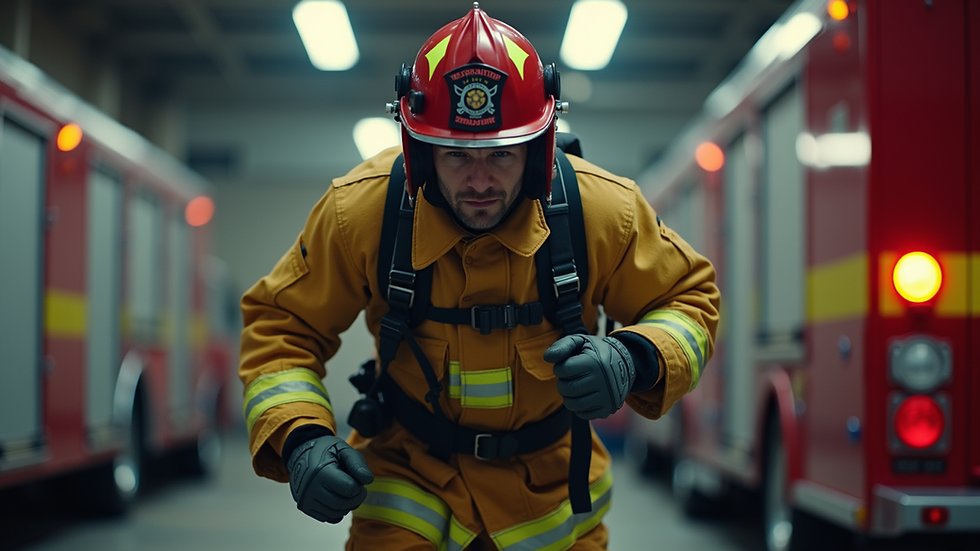
Personal protective equipment is essential for firefighter safety. Modern PPE is designed to withstand extreme temperatures and hazardous conditions. For example, new materials are lighter and more breathable, allowing firefighters to move more freely while still being protected.
Drones in Firefighting
Drones are becoming increasingly popular in firefighting. They provide aerial views of fire scenes, helping incident commanders assess situations more effectively. Drones can also be equipped with thermal imaging cameras, allowing firefighters to locate hotspots that may not be visible from the ground.
Firefighting Apps
Technology has also led to the development of various firefighting apps. These apps can provide real-time information about weather conditions, fire behavior, and even the location of hydrants. Having access to this information can help firefighters make informed decisions during emergencies.
The Importance of Continuous Training
In the fire service, continuous training is vital. The landscape of firefighting is always changing, and firefighters must stay updated on the latest techniques and tools.
Regular Drills
Regular drills are essential for maintaining skills. These drills allow firefighters to practice their techniques in a controlled environment. For example, a department might conduct a live burn training exercise to simulate real-life fire conditions. This hands-on experience is invaluable for building confidence and competence.
Online Training Resources
With the rise of technology, online training resources have become more accessible. Firefighters can now take courses on various topics from the comfort of their homes. This flexibility allows them to learn at their own pace while still fulfilling their job responsibilities.
Networking Opportunities
Training sessions often provide networking opportunities. Firefighters can connect with peers from other departments, sharing knowledge and experiences. This networking can lead to collaborations and partnerships that enhance firefighting efforts in the community.
The Future of Fire Service Training
As we look to the future, the fire service will continue to evolve. The integration of technology and expert instruction will play a significant role in shaping this evolution.
Virtual Reality Training
Virtual reality (VR) is emerging as a powerful training tool. It allows firefighters to experience realistic scenarios without the risks associated with live training. For example, VR can simulate a burning building, enabling trainees to practice their skills in a safe environment.
Enhanced Collaboration
Collaboration between departments will become increasingly important. By sharing resources and knowledge, departments can improve their training programs. This collaboration can lead to more effective firefighting strategies and better outcomes for communities.
Focus on Mental Health
The mental health of firefighters is gaining more attention. Training programs are beginning to incorporate mental health resources, helping firefighters cope with the stresses of the job. This focus on mental well-being is essential for ensuring that firefighters can perform at their best.
The Impact on Community Safety
The combination of expert instructors and cutting-edge tools ultimately leads to improved community safety. When firefighters are well-trained and equipped, they can respond more effectively to emergencies.
Faster Response Times
With advanced tools and training, firefighters can respond to emergencies more quickly. For example, the use of drones can help assess a situation before ground crews arrive, allowing for faster decision-making.
Better Preparedness
Communities benefit from well-prepared firefighters. Regular training and access to the latest tools ensure that firefighters are ready for any situation. This preparedness can save lives and protect property during emergencies.
Building Trust
When communities see that their firefighters are well-trained and equipped, it builds trust. Residents feel safer knowing that their local fire department is prepared to handle emergencies effectively. This trust is essential for fostering strong community relationships.
Embracing Change in Fire Service
The fire service is constantly evolving, and embracing change is crucial for success. By investing in expert instructors and cutting-edge tools, fire departments can ensure they are prepared for the challenges ahead.
Staying Informed
Firefighters must stay informed about the latest trends and technologies in the field. This commitment to learning will help them adapt to changes and improve their skills.
Encouraging Innovation
Departments should encourage innovation among their personnel. By fostering a culture of creativity, firefighters can develop new strategies and solutions to address emerging challenges.
Supporting Each Other
Finally, supporting one another is essential. Firefighters should work together to share knowledge and experiences. This collaboration will strengthen the fire service as a whole.
In summary, the combination of expert instructors and cutting-edge tools is transforming the fire service. By focusing on continuous training and embracing new technologies, firefighters can enhance their skills and improve community safety. As the fire service continues to evolve, it is essential to remain committed to excellence, ensuring that firefighters are always prepared for the challenges they face.


Comments